

How censorship will help Chinese AI glasses dominate global markets
Hey, if it worked for social it will work for AI. This is how the Chinese Communist Party controls the global narrative.

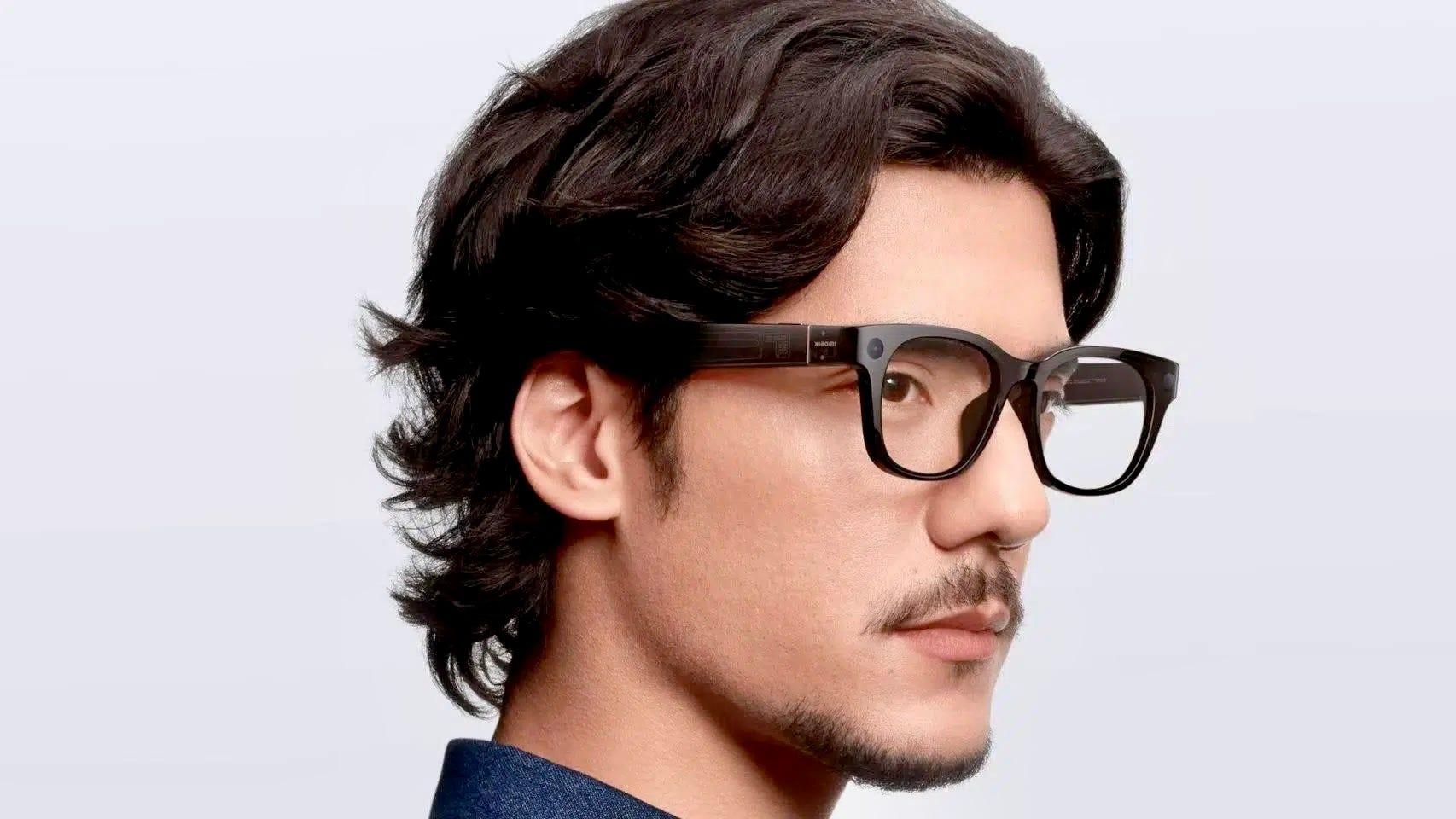
While Apple and Google wait and flounder over AI glasses, their Chinese counterparts are moving fast to capture both domestic and global customers.
In China, AI glasses are growing in popularity, and are being used for handy applications like paying for things via QR codes and voice commands.
Chinese giants like Alibaba and Xiaomi, as well as startups such as Rokid, RayNeo, Thunderobot, and Kopinare moving fast to develop compelling, affordable AI glasses that use Chinese-made AI under the control of the Chinese police state.
Meanwhile, non-Chinese AI glasses are theoretically legal in China, but the AI and other services they rely on are not. AI glasses from Meta and Snap, as well as coming glasses from Apple and Google, all use banned services. These include search services (Google, Gmail, Drive, Photos), and major generative‑AI APIs (ChatGPT, Claude, Gemini, plus Apple’s Apple Intelligence features).
This strategy is what make TikTok a global leader in social. Outside social networks, including the toxic global version of TikTok, are banned inside China, while the wholesome version of TikTok and other social networks under the indirect control of the Chinese Communist Party are allowed.
This TikTok analogy is razor-sharp. The asymmetry you describe where Chinese glases companies get a protected home market while pushing globally uncensored creates an unfair structual advantage that's way more powerfull than just first-mover speed. What makes this particularly concerning is the hardware angle, since AI glasses aren't just software you can uninstall they integrate into daily behavoir patterns in ways that make switching costs much higher than abandonning a social app.