

How self-driving cars could shut down a city
A power failure in San Francisco yesterday resulted in Waymos blocking intersections. As autonomous vehicles proliferate, they could block entire urban areas. We need a new plan.
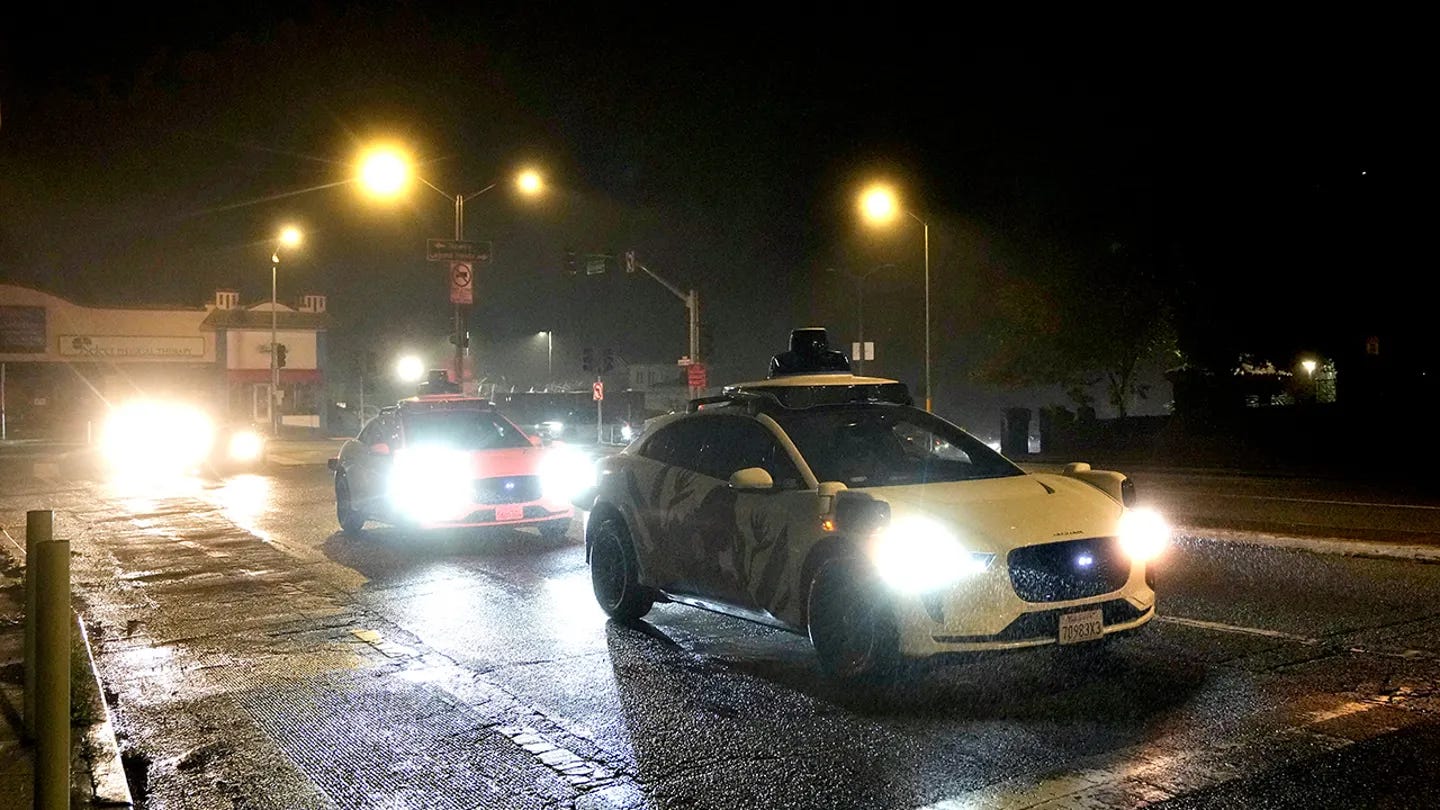
The San Francisco Fire Department got a call yesterday at 2:14pm about a fire at the PG&E substation at 8th and Mission. The fire cut power for 130,000 customers citywide. (Coincidentally, the fire happened exactly 22 years to the day after a similar fire at the same substation on December 20, 2003.)
The outage disabled traffic lights, confusing Waymo self-driving cars. Many of the cars stopped moving, blocking other traffic and causing jams. The number of vehicles at dark intersections led to bottlenecks. So many Waymos paged central command that remote assistance teams were overwhelmed and could only remotely guide a small number of Waymos out of the way at a time.


Waymo said they stopped the cars for safety reasons. But the blackout could have interrupted the cell service or traffic data connections needed for Waymo vehicles to operate.
Sensationalist reporting wrongly said that some passengers were “trapped” inside Waymo cars. In fact, Waymo vehicles (Jaguar I-PACEs) have manual release handles on the doors that work even during power loss or system shutdown.
The event raises a troubling question about the future of self-driving cars.

What could go wrong?
Waymo runs its biggest commercial fleets in San Francisco (extending down to Silicon Valley and up into the wine country), as well as Phoenix, Los Angeles, and Austin.
In November, the company launched in Miami, Dallas, Houston, San Antonio, and Orlando.
Next year, Waymo plans to start service in Las Vegas, San Diego, Detroit, Minneapolis, and Tampa.

We also know that Waymos are waymo safe than human drivers.
In a few years, expect millions of Waymo cars in American cities.
San Francisco and Los Angeles are among the first cities to get huge fleets of Waymo cars. Both cities have faced power-killing crises like earthquakes and fires. If a catastrophe strikes, there’s a new worry that Waymos could block the roads and prevent evacuation.
Another risk is cyberattack. Both Russia and China have the ability to launch cyberattacks that could shut down significant portions of the U.S. power grid, according to the National Security Agency (NSA).

More from Mike
Machine Society, Computerworld, Superintelligent podcast, TWiT appearances, blog, The Gastronomad Experience, Book, Bluesky, Reddit, Substack Notes, Mastodon, Threads, X, Instagram, Facebook, and Linkedin!
This incident exposes a critical infrastructre dependency most ppl haven't considered. When you scale AV fleets to millions of vehicles, a targeted power grid attack becomes a denial-of-service weapon against entire cities. The remote assistance bottleneck is especially concerning, basic queuing theory tells you centralized control cant scale during simultaneous failures. Cities need decentralized failover protocols where AVs can coordinate locally without constant cloud conectivity.